Pitagora, First Pet Therapy Cat at Meyer Hospital in Florence: A Support for Young Patients
Meyer Children's Hospital in Florence welcomes Pitagora, the first pet therapy cat in its child and adolescent psychiatry department, offering a novel approach to the emotional well-being of young patients and their families.
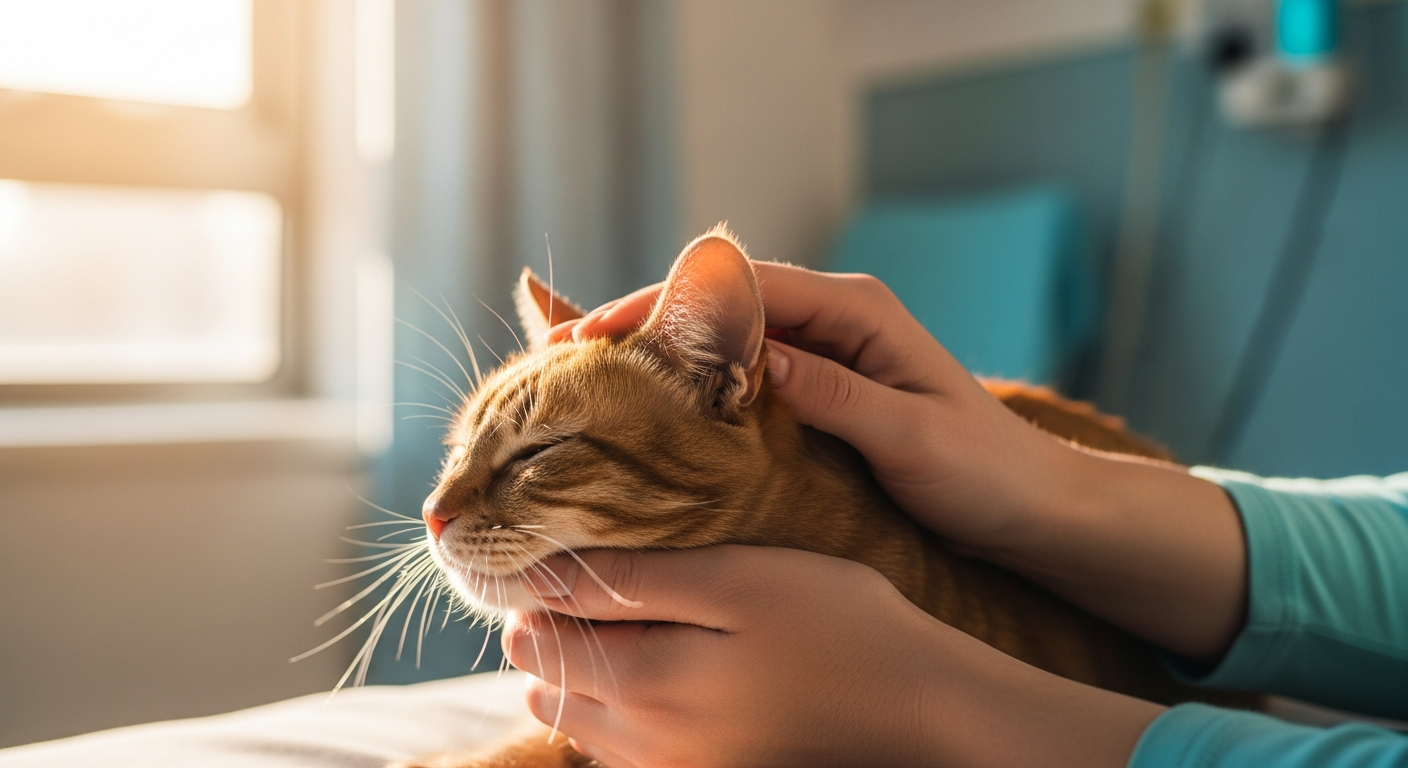
The child and adolescent psychiatry department at Meyer Children's Hospital in Florence has welcomed Pitagora, the first cat officially integrated into the ward for pet therapy activities.
What happened
Starting in May 2026, the Meyer Children's Hospital in Florence launched an innovative program by introducing Pitagora, a Maine Coon cat, as an integral part of the support team in its child and adolescent psychiatry department. This initiative marks a significant step in the adoption of pet therapy in complex hospital settings, particularly for young patients facing mental health challenges. Pitagora, a three-year-old Maine Coon, has been carefully selected and trained to interact with children and adolescents, offering comfort and stimulation in an environment that can often be perceived as stressful.
The project is the result of a collaboration between the hospital and the Antropozoa association, which specializes in animal-assisted interventions. Pitagora's introduction is not coincidental: cats, with their independent yet affectionate nature, have been recognized for their ability to form deep bonds with humans, helping to reduce anxiety and improve mood. Pitagora's presence has been meticulously planned to ensure the safety and well-being of both patients and the animal, following strict protocols established by current regulations on Animal Assisted Interventions (AAI). The cat undergoes regular veterinary check-ups and continuous monitoring of its behavior to ensure that interactions are always positive and beneficial.
The primary goal of this initiative is to provide additional emotional support to young inpatients, many of whom face prolonged hospital stays and complex therapies. The presence of a companion animal in a clinical setting can help break monotony, stimulate communication, and create a more welcoming and familiar atmosphere. According to Greenme, Pitagora is the first cat to be employed in a pediatric psychiatry department in Italy, making Meyer a pioneer in this field.
Why it matters
The introduction of Pitagora into Meyer's pediatric psychiatry department represents a significant evolution in the approach to child and adolescent mental healthcare. Pet therapy, or Animal Assisted Interventions (AAI), is a practice with scientifically recognized benefits, capable of improving patients' psychophysical well-being. For children and adolescents hospitalized in a psychiatry ward, the hospital environment can be particularly alienating and anxiety-inducing. The presence of an animal like Pitagora can act as a catalyst for stress reduction, lowering blood pressure, and decreasing the perception of pain.
Contact with an animal can facilitate the expression of emotions and communication, crucial aspects in the therapeutic journey of young patients with psychiatric disorders. Children and adolescents often find it easier to open up and interact with an animal rather than with adults, allowing therapists to better observe and understand their emotional dynamics. The non-judgmental nature and unconditional affection of a cat can create a sense of security and acceptance, fundamental elements for building trust and resilience. Furthermore, caring for and interacting with Pitagora can help patients develop a sense of responsibility and improve their social skills, providing a positive reference point and a comforting routine.
This initiative underscores the importance of a holistic approach to care, integrating traditional medical and psychological therapies with complementary interventions aimed at improving patients' quality of life. Meyer's experience with Pitagora could serve as a model for other hospital facilities in Italy and abroad, demonstrating the effectiveness and feasibility of integrating animals into pediatric care. The humanization of hospital spaces through the presence of animals contributes to creating a more therapeutic and less intimidating environment, fostering faster recovery and greater overall well-being for young patients and their families. It is a step forward towards healthcare that recognizes the value of the human-animal bond in the healing process.
What to watch
The program with Pitagora will be continuously monitored to evaluate its long-term effectiveness on patients' psychological and physical well-being parameters. The results of this pilot program could provide valuable data for the expansion of pet therapy into other clinical contexts and for the definition of more specific guidelines for integrating animals into pediatric hospitals.